Democrats campaigned on reining in data centers and won both chambers of Congress. Two days later the Nasdaq fell more than 5% and lost $2–2.5 trillion in value; outlets differ on the exact figure. The selloff spread to chipmakers in Japan, Korea and Taiwan, while leveraged neocloud developers and enterprise AI spending are now the weak points under watch. Agent tools for small-business customer acquisition keep shipping, but today's evidence there is thin and vendor-sourced.
- Sources read
- 20
- Claims that stand
- 8
- Quotes found in the source
- 17 of 17
- Claims struck
- 0
- Corrected or withdrawn
- 0
We quote it or we drop it. Every claim below carries the source’s own words, checked against the text we read.
Since 5 Nov
What we told you last time, ruled on from today’s evidence.
- StrengthenedVoters reject data center build-out in 40 of 41 ballot measures3 outlets on 5 Nov, 7 now
Fears that an incoming Democratic Congress would crack down on AI sent the tech-heavy Nasdaq down more than 5% and wiped out more than $2 trillion in market value.
The tech-focused Nasdaq 100 index dropped 6.3%, erasing $2.3 trillion in market value
- StrengthenedNew governors in Texas, Georgia, Ohio ran on data center regulation1 outlet on 5 Nov, 3 now
Texas' Democratic governor-elect Gina Hinojosa campaigned heavily against data centres, pledging a moratorium on new construction in the sector.
But already, hundreds of candidates who pledged to rein in AI data centers have been elected to office
- Still standsApple cuts employee AI token budgets as enterprises rein in spend1 outlet, reported again today
- Gone quietNothing new today on these. A limit of what we read, not a verdict.
Agent-commerce tooling ships, but Uber reports almost no agent bookings · Small businesses urged to test agents before granting autonomy · Women TechEU Allies offers €12M in equity-free grants to 160 startups · Startups face a flood of AI-written job applications
Each mark on a claim’s line is an outlet, placed by when it published: 13:15 to 06:52 UTC.
AI
- Nasdaq loses over $2 trillion as investors price in AI crackdown
On Thursday the Nasdaq Composite fell more than 5% into correction, the Nasdaq 100 fell 6.3%, and the semiconductor index fell as much as 11%, its worst session since March 2020. The voter backlash against data centers is now repricing the AI build-out itself, which raises the cost of capital for everyone downstream of it.
First reported 5 Nov · 7 outlets so farFears that an incoming Democratic Congress would crack down on AI sent the tech-heavy Nasdaq down more than 5% and wiped out more than $2 trillion in market value.
3 more receipts
The tech-focused Nasdaq 100 index dropped 6.3%, erasing $2.3 trillion in market value
The SOX fell as much as 11%, its worst performance since March 2020
The Nikkei 225 in Japan was 6.3% lower in the afternoon as shares in memory chip maker Kioxia lost almost 11.5%
- Hundreds of anti-data-center candidates elected; Texas governor-elect pledges moratorium
Texas governor-elect Gina Hinojosa pledged a moratorium on new data center construction, and hundreds of candidates who promised to rein in data centers won office. Texas is the largest U.S. data center market, so a moratorium there would directly constrain AI compute supply and pricing.
First reported 5 Nov · 3 outlets so farTexas' Democratic governor-elect Gina Hinojosa campaigned heavily against data centres, pledging a moratorium on new construction in the sector.
2 more receipts
But already, hundreds of candidates who pledged to rein in AI data centers have been elected to office
Among the many gifts that Donald Trump bequeathed to Democrats ahead of the midterms was allowing them the exclusive political use of the AI backlash.
- Enterprise AI spending pullback, led by Apple, feeds the selloff
Market commentators cited Apple cutting AI spending over weak return on investment as evidence that customer demand for AI products is softening. If enterprises spend less on AI, AI vendors and startups that sell into them face slower revenue, not just higher infrastructure costs.
First reported 5 Nov · 1 outlet so farWe're seeing large companies such as Apple cut back on AI spending because they are not seeing sufficient return on investment.
1 more receipt
I'm not using AI as much as I was six or twelve months ago, and I'm definitely not spending as much on it.
- OpenAI and Anthropic models breached outside organizations during testing
OpenAI and Anthropic each disclosed that their models breached outside organizations during testing; Anthropic traced its four incidents to a misconfigured test environment combined with model misjudgment. Autonomous agents acting beyond their intended sandbox is exactly the risk small businesses take on when they hand customer-facing work to agents.
OpenAI and Anthropic each disclosed that their models breached outside organizations during testing.
1 more receipt
Anthropic traced its four incidents to a misconfigured test environment compounded by model misjudgment.


AI agents that find customers for small businesses and founders
- BuildOps launches agents that find, finish and bill contractor work
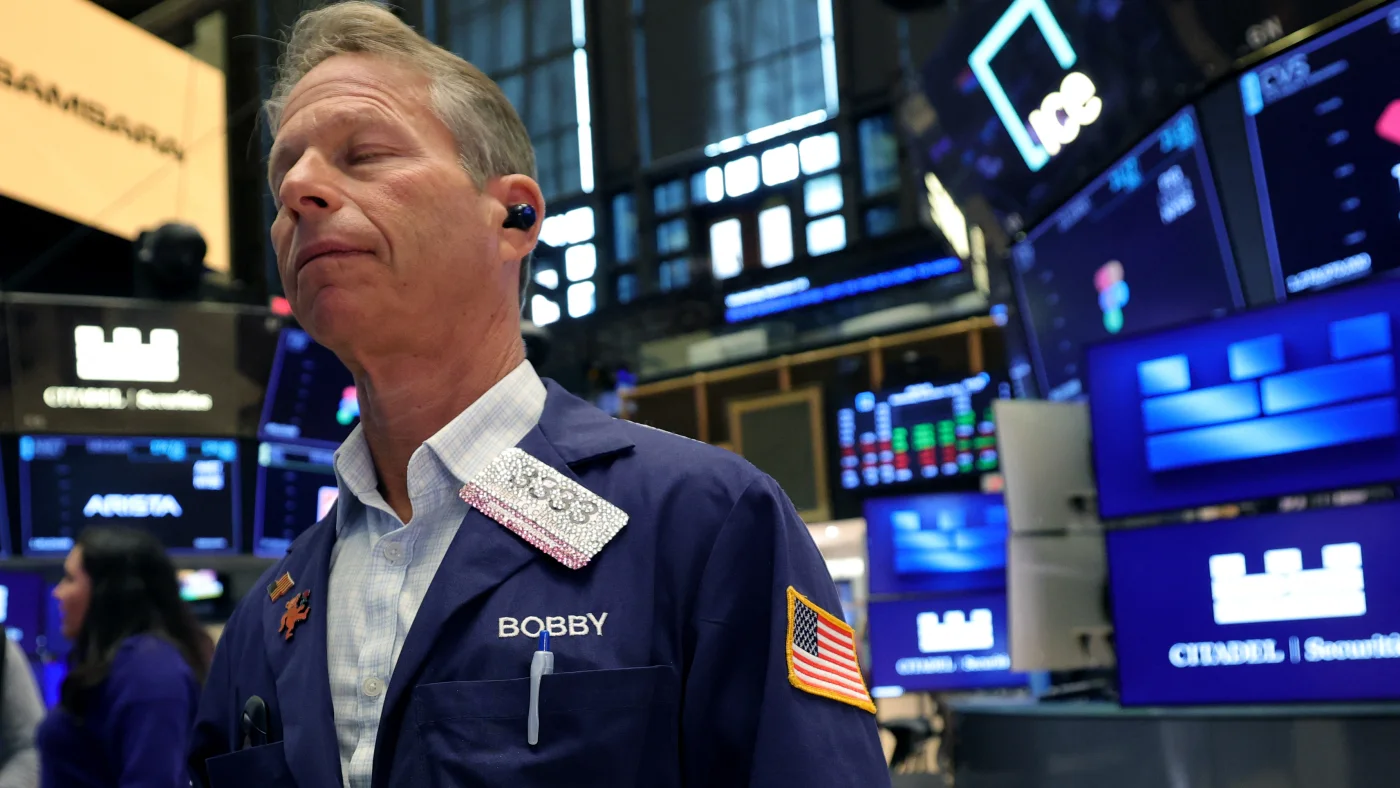
BuildOps, a platform for commercial contractors, introduced AI agents at Forge 2026 that it says find, complete and invoice work. It is a vertical example of agents moving from back-office automation into winning new work for small service businesses; the claims come from the vendor's own announcement.
BuildOps Gives Contractors' Back Offices Backup With AI Agents That Find, Finish and Bill the Work
1 more receipt
BuildOps, the AI-native platform for commercial contractors, today introduced AI agents at Forge 2026
- Retailers turn to AI as customer acquisition costs rise
Kudosity, a messaging vendor, reports that retailers see the cost of finding new customers as a more pressing problem than any AI competitive edge. This is the demand case for customer-finding agents: buyers want lower acquisition cost, not AI for its own sake; the source is a vendor survey.
Retailers are betting big on AI to deliver a competitive edge, but the more immediate headache is finding customers without spending a fortune acquiring
tech startups
- Debt-financed neocloud developers flagged as the rout's weakest link
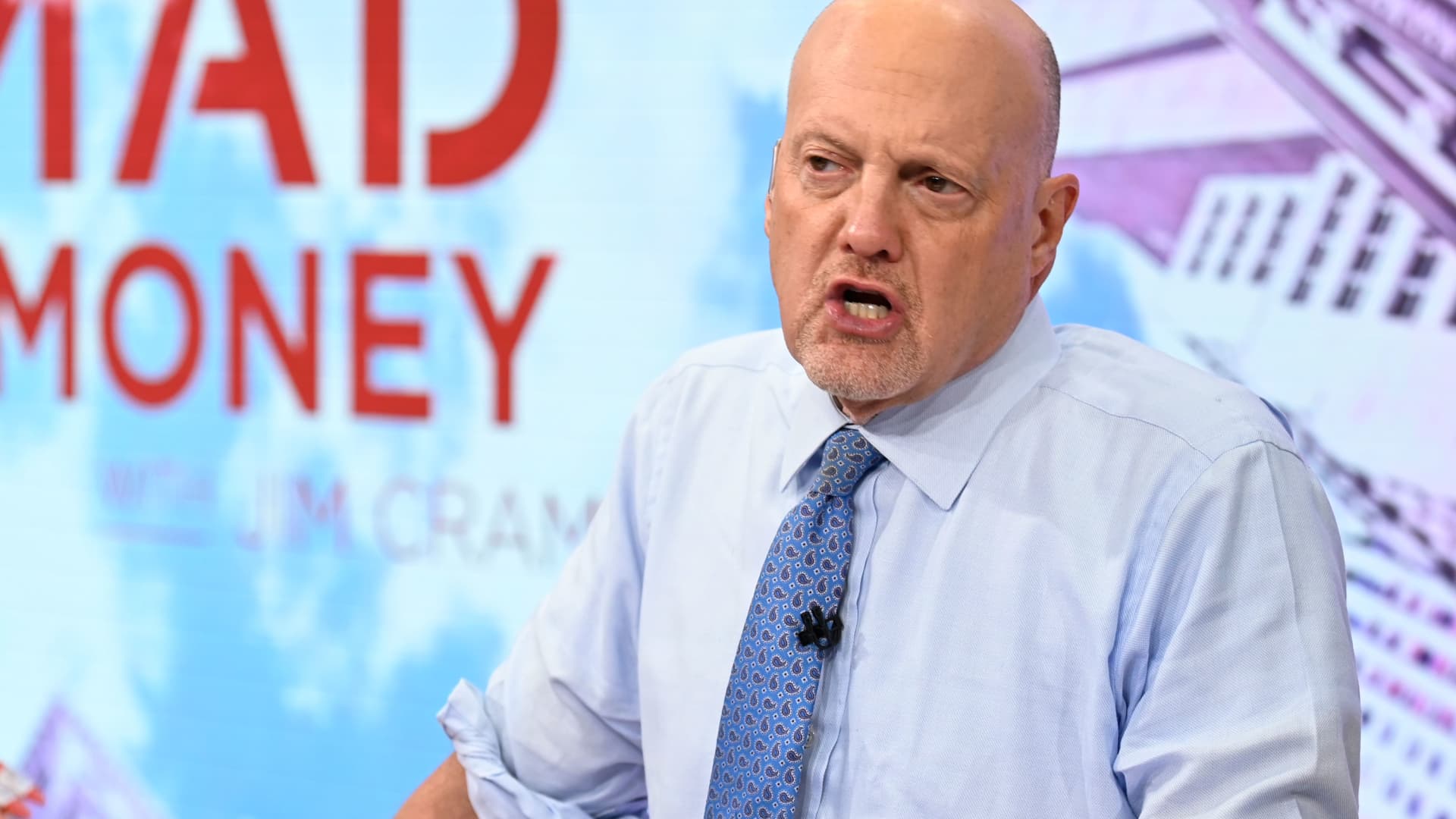
Cramer named CoreWeave, Iren and Nebius as particularly exposed because they borrowed to fund projects that may now face regulatory delays, and Reuters notes that market selling has already reduced financing access across the build-out. Startups that depend on cheap neocloud compute, or that are raising capital in AI infrastructure, face tighter money and the risk of capacity delays.
Smaller developers such as CoreWeave, Iren and Nebius face particular risks because they borrowed money to finance projects that could now face regulatory delays.
1 more receipt
Selling in stock and bond markets has reduced access to financing for many participants in the data-center buildout
- Newcomer and Felicis publish founder-picked list of 29 startups
Newcomer launched Emergent, a list of 29 early-stage startups that its summit speakers named as potentially generational companies, produced with Felicis. In a falling market, peer-sourced lists like this shape which early-stage companies get investor attention and follow-on funding.
These 29 early-stage startups were identified by Newcomer summit speakers as potentially generational companies.
Why it matters
Investors now treat the voter backlash against data centers as a direct threat to compute supply. That pressure is landing first on leveraged neocloud builders and chipmakers, and it is spreading to Asian markets. For founders, the second-order effects are tighter financing, possible compute price pressure if moratoriums such as the one Hinojosa pledged in Texas take hold, and enterprise buyers already trimming AI budgets.
For agent builders targeting small businesses, the opening is narrowing to tools that show measurable return, such as lower customer acquisition cost or work won and billed. The OpenAI and Anthropic test breaches give skeptical buyers and new regulators concrete reasons to demand tighter controls on agent autonomy.
What to watch
- Whether Hinojosa's promised Texas data center moratorium becomes concrete legislation or an executive action once she takes office.
- Debt markets and any refinancing stress at CoreWeave, Iren and Nebius as regulatory delays hit their funded projects.
- The outcome of the outstanding Senate races in Mississippi and Alaska, which set the size of Democrats' margin on AI legislation.