Anthropic filed its S-1 on Oct. 26 to list on Nasdaq as ANT, with Reuters citing a $1.5–2 trillion valuation, while its own filing flags catastrophic risks that California lawmakers are now drafting legislation around. Security is the day's pressure point: AI is surfacing software flaws faster than engineers can patch them, and a $6.3bn Binance theft has been pinned on North Korea. On the go-to-market side, Meta's AI ad tools reached almost 10 million advertisers, and startup capital is tilting toward deep tech and defense.
- Sources read
- 15
- Claims that stand
- 8
- Quotes found in the source
- 19 of 19
- Claims struck
- 0
- Corrected or withdrawn
- 0
We quote it or we drop it. Every claim below carries the source’s own words, checked against the text we read.
Since 1 Nov
What we told you last time, ruled on from today’s evidence.
- StrengthenedLiability allocation across multi-vendor agent stacks becomes a negotiating point1 outlet on 1 Nov, 2 now
Lawmakers are now preparing for additional AI safety legislation for the upcoming session.
And I guess it is my position that that is the responsibility of the lab.
- StrengthenedRegional startup programs keep showcasing and funding early-stage companies2 outlets on 1 Nov, 4 now
Nexa Lighthouse invests up to $2000000 per innovation for proposals that address Climate-informed early warning and monitoring.
CNT Tech is recruiting companies for the 2026 Initial Startup Package open-innovation meetup
- Gone quietNothing new today on these. A limit of what we read, not a verdict.
AI data centers become a political and resource flashpoint · Meta launches Muse personal agent while Apple stays deliberately cautious · OpenAI staff map AI into org charts beneath, beside and between humans · Wysera launches brand-voice marketing agent with human approval gate · AI-powered fraud surges against small businesses in Ireland · Minicor raises $3.8M seed to let agents operate legacy desktop software
Each mark on a claim’s line is an outlet, placed by when it published: 17:15 to 07:12 UTC.
AI
- Anthropic files S-1 for Nasdaq listing at up to $2T
Anthropic filed its public S-1 on Oct. 26 to list on Nasdaq under the ticker ANT, with an IPO possible around Thanksgiving and Reuters reporting investor valuations of $1.5–2 trillion. A listing of this size would set the public-market price of frontier AI, and the filing's own risk disclosures are already being used by regulators.
Anthropic officially filed its prospectus, a public S-1 form outlining its business operations and risks for investors on Oct. 26.
2 more receipts
It could be one of the largest initial public offerings in global stock market history, with investors valuing the company at $1.5 trillion to $2 trillion, Reuters reported.
Even AI company Anthropic, in its initial filing to go public, warned of risks ranging from biological weapons to threats to humanity.
- AI floods engineers with bugs as attackers cash in
The NYT reports that AI has uncovered a horde of software flaws engineers are racing to patch, and the Economist reports that $6.3bn was stolen from Binance on Oct. 29 in a theft the FBI attributes to North Korea. AI is speeding up vulnerability discovery on both sides, so patch velocity rather than detection is now the binding constraint for every software vendor.
A.I. has uncovered a horde of software flaws, which engineers are racing to fix before they can be exploited and abused by hackers.
2 more receipts
On October 29th $6.3bn was swiped from Binance, the world’s largest crypto exchange.
Last year the country’s cyber-thieves stole $2bn-worth of cryptocurrency, triple the level two years before, according to Chainalysis, a research firm.
- California lawmakers press labs on agent liability, promise new legislation
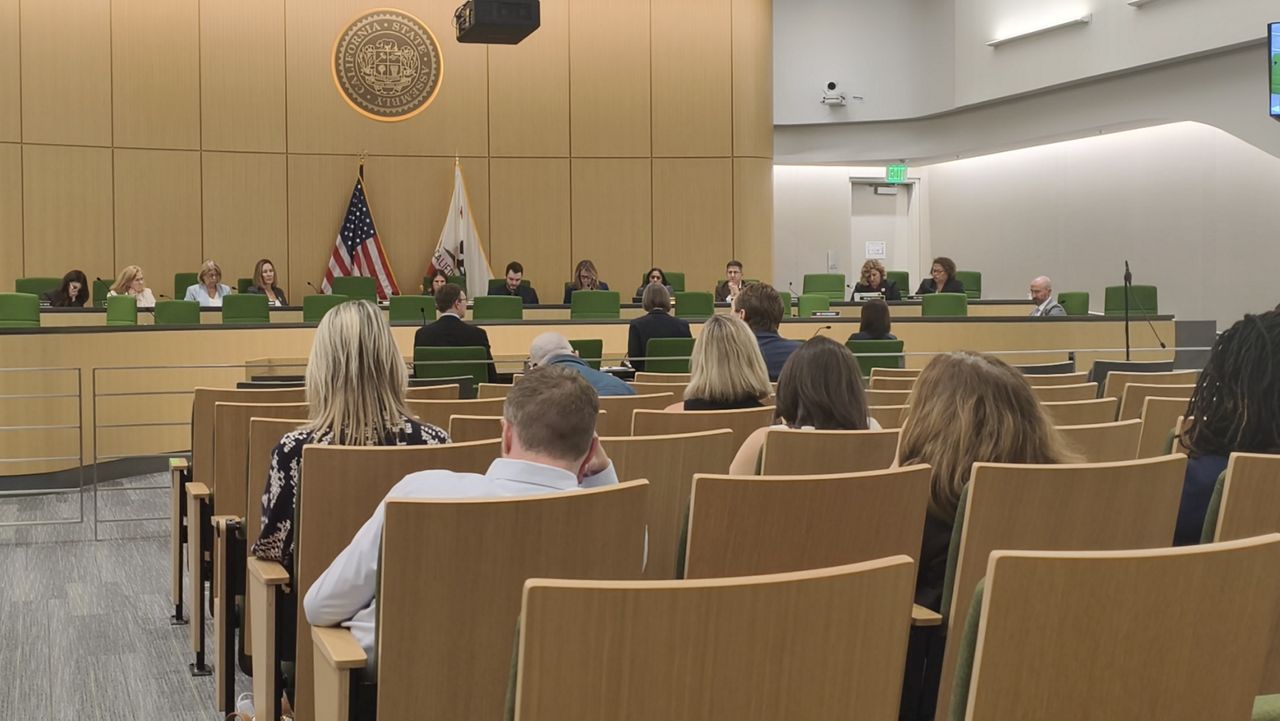
At a hearing with Anthropic, Google and OpenAI, California Assembly members argued that labs are responsible for misaligned agent actions and said more AI safety legislation is coming next session. If liability for agent misbehavior is assigned to the model lab by statute, the contractual liability splits now being negotiated across agent vendor stacks would shift.
First reported 1 Nov · 2 outlets so farLawmakers are now preparing for additional AI safety legislation for the upcoming session.
2 more receipts
And I guess it is my position that that is the responsibility of the lab.
an independent researcher told lawmakers there’s no known way to guarantee complete control over AI models, raising questions about who is responsible when things go wrong.

AI agents that find customers for small businesses and founders
- Meta's AI ad tools reach almost 10 million advertisers
Meta's ad business grew more than twice as fast as Google's Search unit in Q3, and almost 10 million advertisers used at least one of its AI tools, including the Ads Manager business assistant. For small businesses, the dominant AI customer-acquisition agent is currently the one built into Meta's ad stack, which sets the bar that standalone lead-gen agents must clear.
In the third quarter, Meta’s ad business grew more than twice as quickly as Google’s Search and other unit
2 more receipts
She added that in the third quarter, almost 10 million advertisers used at least one of its AI tools.
A year ago, the company unveiled the Meta AI business assistant, which advertisers can plug into the Ads Manager system to help build campaigns and improve performance.
- Aiva pitches AI agents that turn hotel guest data into upsells
Startup Aiva uses AI agents to match guest preferences with hotel services, aiming to raise ancillary revenue and cut manual work. Vertical revenue agents that sell to existing customers, not only find new ones, are emerging as a distinct category for hospitality SMBs.
The startup uses AI agents to connect guest preferences with hotel services and operations, aiming to increase ancillary revenue while reducing manual work.

tech startups
- Salesforce buys two-year-old defense startup Rune Technologies
Salesforce said it is acquiring Rune Technologies, founded by two former Anduril employees, to build out Missionforce, its software suite for the military. Enterprise SaaS incumbents are buying defense-tech teams outright, which gives young defense startups an exit path beyond the defense primes.
Salesforce on Friday said it was buying a defense tech startup called Rune Technologies to build out its suite of software tools, called Missionforce, designed for the military.
1 more receipt
The two-year-old startup founded by two former Anduril Industries employees sells software to agencies like the U.S.
- Deep tech drives Korean VC high and Israeli exit spree
South Korean venture funding hit a five-month high in October on deep-tech mega-deals such as AI chipmaker FuriosaAI, while Israel saw an exceptional October for exits, including a $6.3bn take-private. Capital and liquidity are concentrating in AI hardware and defense-adjacent deep tech, not in application-layer startups.
South Korea's venture funding climbed to a five-month high in October, driven by mega-deals in deep-tech startups like artificial intelligence chipmaker.
1 more receipt
From six-person startups to a $6.3 billion take-private: October's extraordinary month for Israeli tech exits
- Open-innovation and grant programs keep recruiting early-stage startups
Nexa Lighthouse is offering up to $2M per innovation for climate-informed early warning systems, and CNT Tech is recruiting startups for a CultureTech Challenge run with SM Entertainment. Non-dilutive and corporate-partnership channels remain open to early-stage founders, though they are narrowly themed.
First reported 1 Nov · 4 outlets so farNexa Lighthouse invests up to $2000000 per innovation for proposals that address Climate-informed early warning and monitoring.
1 more receipt
CNT Tech is recruiting companies for the 2026 Initial Startup Package open-innovation meetup
Why it matters
Three forces are converging. Anthropic's IPO will put a public price on frontier AI. Its own S-1 risk language is being used in Sacramento to argue that labs, not users, own agent failures. And AI-accelerated bug discovery and theft show the downside is no longer hypothetical. Agent builders and the businesses deploying them should expect liability terms, security audits and patch SLAs to become standard procurement asks.
On customer acquisition, the clearest evidence of AI working at scale for small businesses is inside Meta's ad stack, not in standalone agents. Independent lead-gen and revenue agents like Aiva will need to win on vertical depth or data Meta can't reach. Meanwhile, startup capital and exits are skewing toward chips and defense.
What to watch
- Anthropic's IPO pricing date and final valuation range, and whether S-1 risk disclosures resurface in California's draft bills.
- The text of California's next-session AI safety bills, specifically any clause assigning agent-action liability to model developers.
- Follow-up attribution on the $6.3bn Binance theft, including whether AI tooling is confirmed as part of the attack chain.