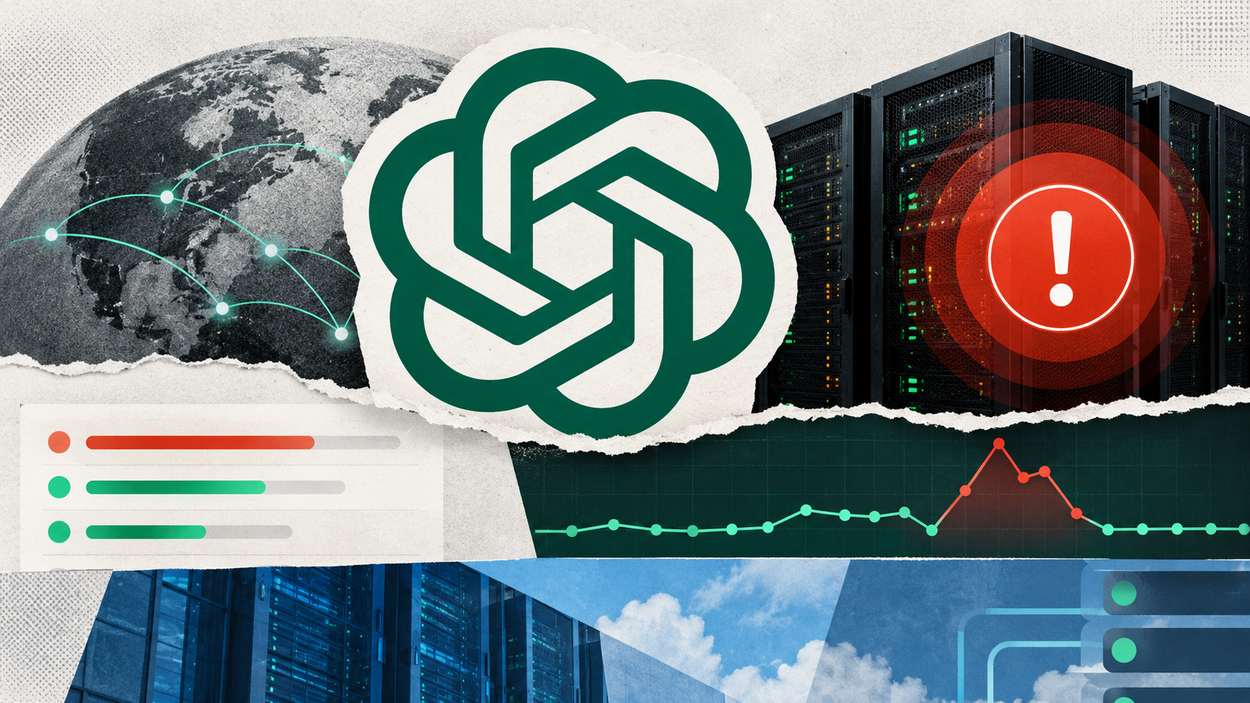
Credit default swap spreads on Oracle, SoftBank and CoreWeave hit record levels as investors question whether debt-funded data centres can generate returns fast enough, with CoreWeave losing a fifth of its value in a day. The same day the FSB finalised 12 AI governance practices for banks and Wharton reported near-universal AI use among large US companies. On the small-business side, Dapta raised $6M for an SMB sales agent and Meta published research showing most owners find AI makes them more productive but want more guidance.
- Sources read
- 20
- Claims that stand
- 8
- Quotes found in the source
- 15 of 15
- Claims struck
- 0
- Corrected or withdrawn
- 0
We quote it or we drop it. Every claim below carries the source’s own words, checked against the text we read.
Since 14 Oct
What we told you last time, ruled on from today’s evidence.
- Gone quietNothing new today on these. A limit of what we read, not a verdict.
JPMorgan blocks outside AI agents from operating customer accounts · Nvidia takes stakes in four French startups including Doctolib · Hugging Face breach becomes the reference case for agent containment · Tabby launches AI accountant as only 11% of SMBs trust AI payroll · Apple launches $299 HomeView, betting on Google-assisted Siri · Pluto Security raises $42M to police employee AI tool sprawl · Taiwan draws US defense startups and chip-veteran deep tech founders · AI guardrails hit the Wisconsin governor race as Cerebras CEO attacks doomers
Each mark on a claim’s line is an outlet, placed by when it published: 16:15 to 06:15 UTC.
AI
- AI default insurance costs hit records as CoreWeave debt tumbles
Five-year CDS spreads on Oracle widened to a record 288 bps, SoftBank to 424 bps and CoreWeave past 1000 bps, with CoreWeave shares down 15% on Wednesday and 2032 bonds trading at 77 cents. The AI buildout is debt-financed, and this is the clearest market signal yet that lenders doubt data-centre revenue will arrive fast enough to service the interest.
The cost of insuring against US tech defaults has hit record levels in the latest sign of credit stress building in the AI trade
1 more receipt
CoreWeave, a loss-making data-centre operator which owes nearly $50 billion according to LSEG data, is in the eye of the storm.
- FSB finalises 12 sound practices for AI adoption at financial institutions
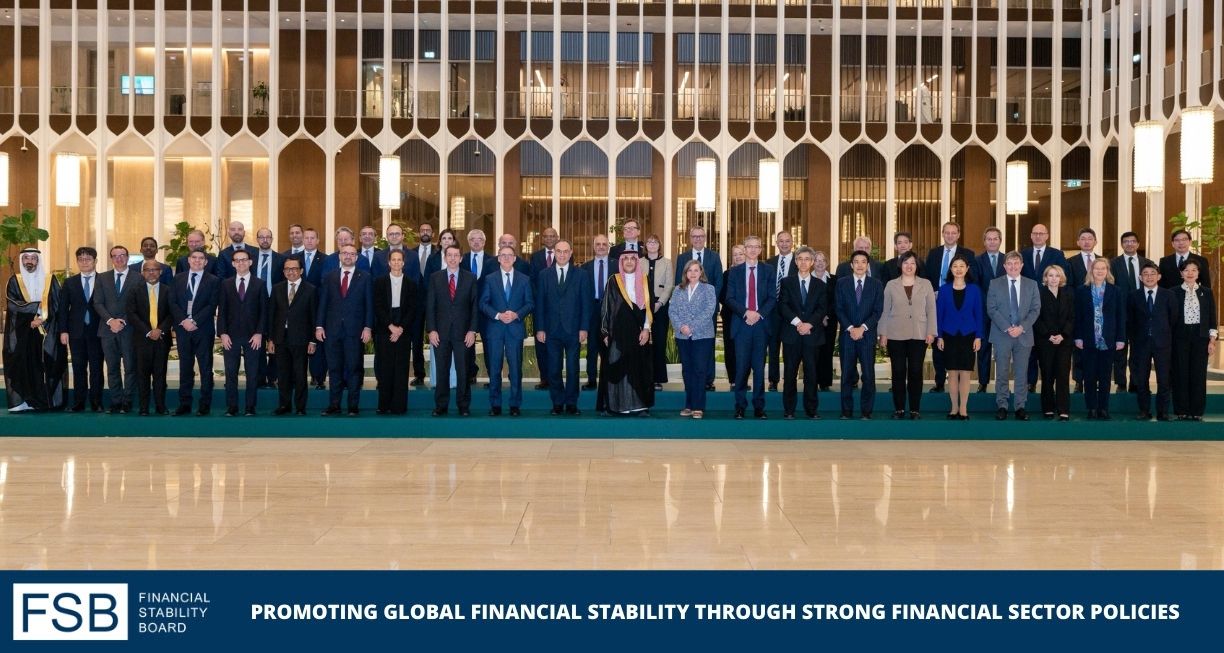
The Financial Stability Board published its final report on responsible AI adoption, covering board-level governance, lifecycle risk assessment, human oversight, and third-party AI dependencies. This becomes the reference framework supervisors will cite when examining how banks deploy models and agents, and it explicitly names third-party AI vendors as a managed risk.
The Financial Stability Board (FSB) today published its final report on Sound Practices for Responsible Adoption of Artificial Intelligence
1 more receipt
The 12 sound practices emphasise the importance of organisation-wide AI governance and highlight considerations for managing risks throughout the AI lifecycle.
- Wharton finds near-universal AI use at large US companies, government lags
Wharton's fourth annual AI Adoption Report, surveying about 1,400 decision-makers and employees, found 91% use AI more than weekly and 62% daily, with AI fully embedded in core workflows at 28% of large companies. The adoption question is settled in the private sector, shifting the competitive edge to workflow redesign, while public-sector research finds mostly avoidance.
Researchers at the Wharton School recently found that there is near-universal use of artificial intelligence among large United States-based companies.
2 more receipts
The report found that AI is fully embedded in the core workflows of 28% of large companies, and has significantly changed processes for 73% of them.
Our own two years of research at RethinkAI found mostly avoidance and uncoordinated experimentation.

AI agents that find customers for small businesses and founders
- Dapta raises $6M seed for AI sales agent aimed at SMBs
Dapta closed a $6 million seed round led by Chingona Ventures to expand its AI sales agent for small and medium-sized businesses. Seed capital is still flowing to agents that do outbound sales for small firms, a category where the buyer cannot afford a human SDR.
Dapta, which builds an AI sales agent for small and medium-sized businesses, has secured $6 million in seed funding led by Chingona Ventures
- Meta: three quarters of small business owners say AI boosts productivity
Meta research across nine APAC markets found most small business owners say AI makes them more productive and helps them reach customers across borders, but most want more guidance. Demand for AI among small firms is real but the guidance gap means the winning products will be the ones that remove setup and judgment, not add it.
New Meta research across nine APAC markets shows how AI is helping small businesses grow, compete with larger rivals and reach customers across borders.
2 more receipts
New economic impact reports from Amazon, TikTok, and Shopify reveal the extraordinary reach of platform-powered entrepreneurs, the growing role of AI
Digital payments, AI, and automation can make some jobs easier, but they also come
- Outlit pitches an AI agent assigned to surveil every B2B customer
Startup Outlit is deploying agents that continuously monitor B2B companies' customers and compile intelligence dossiers, predicting every company will assign one agent per customer. Customer-finding agents are moving from prospecting to persistent surveillance, which will draw privacy scrutiny and could poison trust in agent-driven outreach.
The startup Outlit is deploying agents that constantly surveil B2B companies' customers and create detailed intelligence dossiers.
tech startups
- Founders pitch for $475,000 at Venture Atlanta as Korean startups court LA
Hundreds of founders pitched investors at Venture Atlanta for a $475,000 prize pool, while six Korean AI and tech startups presented to US investors at K Founders Night during LA Tech Week. Early-stage capital is still being contested in person and cross-border, even as credit markets sour on the AI infrastructure layer.
Hundreds of startup founders are pitching their companies face-to-face to big-name investors at Venture Atlanta, all hoping to find someone ready to bet on
1 more receipt
Six Korean AI and tech startups showcased their innovations to US investors at the K Founders Night event during LA Tech Week.
- IranWire: Iranian security agencies extort money from tech startups
Documents obtained by IranWire show numerous Iranian businesses, including tech startups, facing confidential and informal financial demands from security agencies. It is a reminder that in some markets the state, not the market, is the largest risk to a startup's cash.
According to documents and reports received by IranWire, numerous businesses in Iran have faced
Why it matters
The AI trade is now splitting into two markets. At the infrastructure layer, debt-funded data-centre builders are being repriced by credit markets, and CoreWeave's bonds at 77 cents suggest lenders no longer accept future revenue as collateral. At the application layer, Wharton's numbers say adoption is universal, the FSB is codifying how regulated firms must govern it, and seed money is still going to agents that sell for small businesses.
If the credit stress spreads from CoreWeave to Oracle and SoftBank, compute costs could rise or capacity could stall, which hits every agent startup that rents inference. Meanwhile the Outlit pitch shows where customer-finding agents are heading: from outreach to persistent surveillance, a direction that Meta's own research says small business owners are not yet equipped to navigate.
What to watch
- Whether Oracle and SoftBank CDS spreads keep widening after CoreWeave's 15% drop, and whether any AI data-centre borrower misses a payment or restructures.
- Whether bank supervisors begin citing the FSB's 12 sound practices in examinations, particularly the third-party AI dependency and human oversight items.
- Whether privacy regulators or B2B customers push back on Outlit-style per-customer surveillance agents.